
Nepal Considers Holding Local and Provincial Elections Together
Political leaders and election officials in Nepal are discussing whether to hold local government and provincial assembly elections at the same time next year. The proposal aims to save public money and reduce disruptions to government work, but it faces legal and constitutional hurdles. The terms of elected officials at the local level and in provincial assemblies end months apart, creating a scheduling puzzle for the government and the Election Commission.
目录
- Nepal Considers Holding Local and Provincial Elections Together
- Differing Term End Dates Create Scheduling Challenges
- Financial Burden and Administrative Efficiency
- Political Reactions and Divergent Views Among Party Leaders
- Voter Engagement and Logistical Considerations
- Timeline of Election Preparations
- The Bottom Line
During a consultation meeting on Friday, November 20, 2026, the Election Commission presented a schedule proposing local elections in April 2027 and provincial elections in November 2027. Representatives from major political parties attended the talks in Kathmandu to review the logistical, financial, and legal aspects of organizing the polls. The discussions follow the cabinet weighs date for upcoming polls as administrative deadlines approach.
Differing Term End Dates Create Scheduling Challenges
The primary obstacle to holding the two elections simultaneously is the mismatch in the constitutional and legal terms of elected representatives. According to official data, the five-year terms of representatives across all 753 local governments are set to expire on May 19, 2027. Meanwhile, the terms of the 550 provincial assembly members across the seven provinces are scheduled to end on November 20, 2027, though some legal schedules point toward early 2028 depending on specific assembly formations.
Article 225 of the Constitution of Nepal states that the term of a village or municipal assembly is five years from the date of election, requiring a new election within six months after that term expires. However, Section 3 of the Local Level Election Act, 2017 requires elections to take place two months before the existing assemblies finish their terms. Former chief election commissioner Dinesh Thapaliya noted that while the technical experience exists from past joint elections, aligning these specific dates requires careful legal navigation.
Financial Burden and Administrative Efficiency
Supporters of simultaneous elections argue that holding the votes together would significantly reduce costs for the state treasury. Organizing a single election in Nepal typically costs around 30 billion to 35 billion rupees, which covers expenses incurred by the Election Commission, the Nepali Army, Nepal Police, Armed Police Force, and the Ministry of Home Affairs. Separate estimates suggest that conducting local and provincial polls independently could push total state and security expenditures as high as 50 billion to 60 billion rupees.
Beyond direct financial savings, proponents point to the disruption that repeated election cycles cause to normal government operations. When elections are held separately, administrative activities, development projects, and policy decisions can be stalled for up to nine months in a single year due to the enforcement of strict election codes of conduct and the mass mobilization of public servants.
Political Reactions and Divergent Views Among Party Leaders
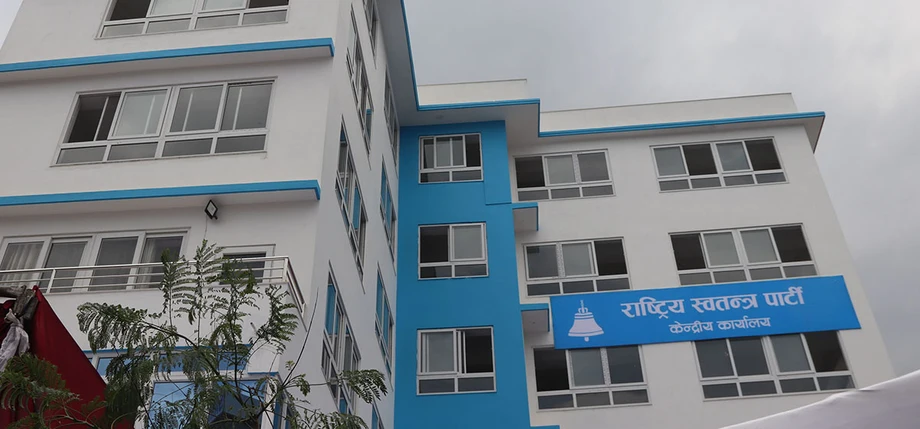
Political leaders hold varied stances on whether the elections should be combined or kept separate. Rastriya Swatantra Party chair Rabi Lamichhane supported the idea of holding local and provincial elections together to curb unnecessary state spending. Similarly, Nepali Congress president Gagan Thapa acknowledged the practical reasons for joint elections in past cycles, though he noted the special situation arising from differing term-end dates.
Conversely, Nepali Communist Party coordinator Pushpa Kamal Dahal cautioned against rushing into simultaneous elections if doing so violates existing constitutional and legal provisions. Speaking at an event organized by his party's Bhaktapur district committee, Dahal warned that disregarding legal frameworks could lead to political instability.
Attempts to hold local and provincial elections simultaneously in violation of the Constitution and existing laws could push the country into another crisis.
Dahal emphasized that ensuring elected representatives at both levels get to serve their full five-year terms remains more important than the exact timing of the polls. CPN-UML chair KP Sharma Oli also participated in initial discussions before having the party's election department chief, Devendra Dahal, attend on his behalf.
Voter Engagement and Logistical Considerations
Election officials and governance experts have raised concerns about voter fatigue and administrative complexity if multiple high-stakes ballots occur on the same day. Election commissioner Rajiv Subba noted that local and provincial elections carry distinctly different political natures, with local governments serving as the primary point of contact for citizens' daily needs. Running both ballots simultaneously could cause provincial contests to be overshadowed by local races or federal politics.
The Election Commission has also explored technological innovations for the upcoming voting cycles, including pilot programs for out-of-district voting and participation for citizens living abroad. Implementing these measures requires formal amendments to existing election laws before polling day.
Timeline of Election Preparations
- August 17, 2026: Rastriya Swatantra Party establishes its Candidate Club to vet prospective local election applicants.
- November 19, 2026: The 120-day mark before the commission's recommended March local election deadline, highlighting the need for a formal cabinet announcement.
- November 20, 2026: The Election Commission consults top leaders of nationally recognized political parties in Kathmandu.
- November 24, 2026: The Nepali Congress schedules a central working committee meeting to finalize its local election action plan.
- May 19, 2027: The scheduled expiration date for the five-year terms of representatives in Nepal's 753 local governments.
- November 20, 2027: The scheduled expiration date for provincial assembly members across the country's seven provinces.
The Bottom Line
- The Election Commission and political parties are debating whether to hold local and provincial elections simultaneously or separately in 2027.
- Local representatives' terms expire on May 19, 2027, while provincial assembly terms conclude later in the year.
- Proponents argue simultaneous polls save billions of rupees in state and security expenditures, while critics warn against constitutional violations and administrative confusion.
- Party leaders including Pushpa Kamal Dahal, Rabi Lamichhane, and Gagan Thapa continue discussions to reach a consensus on legal amendments and final election dates.