
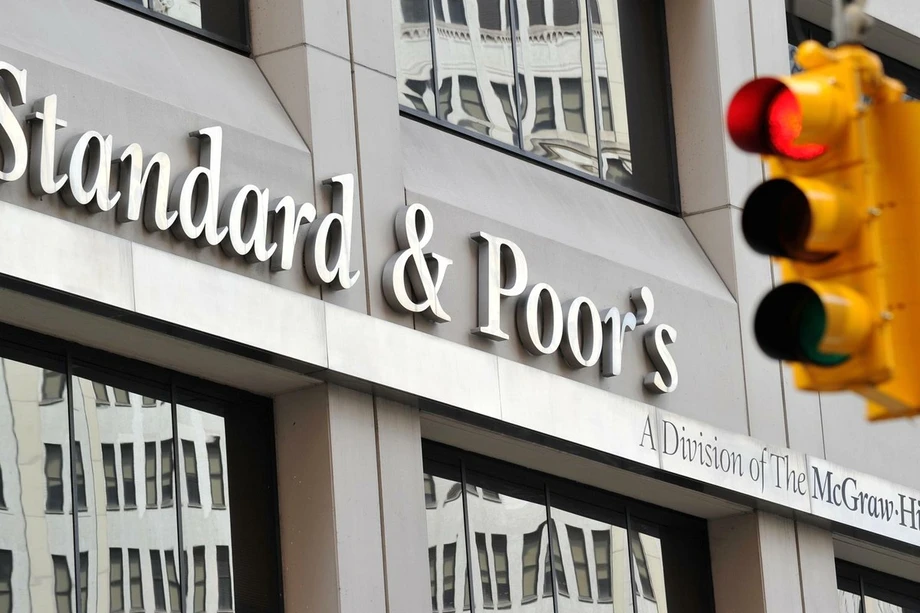
乌兹别克斯坦创历史最高主权信用评级
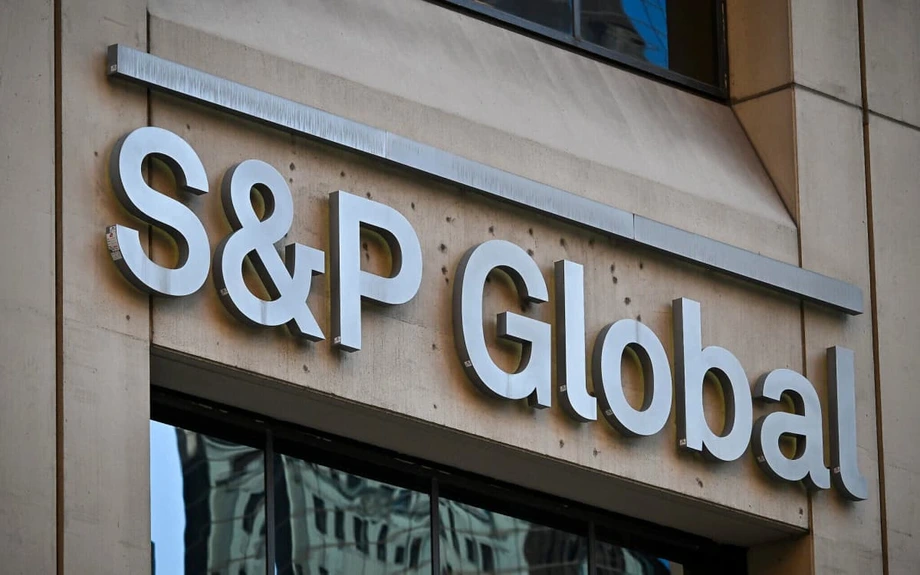
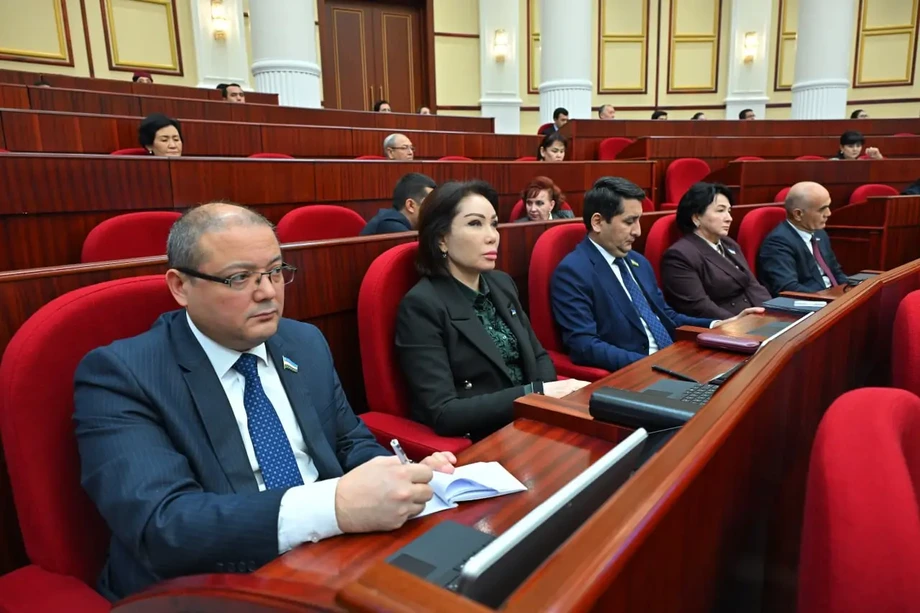
乌兹别克斯坦在其金融史上取得了重要里程碑,成功获得长期主权信用评级上调。2026年11月20日,S&P Global Ratings将该国评级从 BB 上调至 BB+,展望稳定。这是中亚国家 ever 录得的最高信用评级分数。此次上调使乌兹别克斯坦离达到投资级地位(BBB-起步)仅一步之遥。此次评级行动反映了Mirziyoyev总统领导下实施的一系列广泛经济转型、纪律严明的公共财政管理和战略政策方向。Saida Mirziyoyeva,乌兹别克斯坦总统行政管理局局长,在她的官方Telegram频道上宣布了这一里程碑。她强调,行政部门仍致力于培育国民经济的长期信心。
Saida Mirziyoyeva 在2026年11月20日后不久发布的公开声明中阐述了近期金融决策的意义。她指出,行政部门将继续致力于实现更强的财务状况。行政首脑表示:
我们将继续加强投资者对乌兹别克斯坦的信心,并创造新投资条件。
A credit rating functions essentially like a financial report card for an entire country. International agencies use these grades to measure how reliably a government can repay money it borrows from foreign lenders. Moving from BB to BB+ indicates that the issuing agency believes the risk of a government default has decreased. While the rating remains in the speculative or non-investment category, it brings the country much closer to the threshold required by conservative institutional investors who are legally restricted from purchasing lower-rated bonds.
统计指标全面改写国债指标
2026年11月13日,国家统计委员会发布了自2017年以来更新的国内生产总值计算。改进的企业报告和全面的农业和住房调查显示,2025年的名义国内生产总值按15%增长至2,127万亿 soum,折合约合$169 billion。此次统计调整相比之前的测量新增了277万亿 soum。正如S&P Lifts Uzbekistan to BB+,a larger measured economic baseline alters debt ratios immediately, even when the underlying debt volume remains constant. S&P now projects that net general government debt will average 24% of GDP between 2026 and 2029, a notable improvement from the 30% ratio previously anticipated. Financial authorities project that this net debt metric will climb slightly to 26% of GDP by 2029 due to ongoing infrastructure spending.
Gross domestic product represents the total monetary value of all finished goods and services produced within a country over a specific time period. When statisticians discover that economic output was actually larger than previously recorded due to better data collection, the relative weight of public debt shrinks on paper. The government did not magically pay off billions of dollars of debt overnight. Instead, the economy grew larger in statistical terms, making the existing debt load easier for the country to carry relative to its overall economic size.
金市与外汇储备激增
乌兹别克斯坦的国际储备自2023年以来显著扩张,至2026年10月end约达到$64 billion,总计约为国民GDP的32%。High global market prices for precious metals served as the primary catalyst for this accumulation. Gold accounts for between 30% and 40% of all merchandise exports from the country and makes up nearly 90% of its liquid international reserves. S&P projects that gold prices will experience a gradual normalization, moving from an average of $4,300 per troy ounce in 2026 down to $3,500 by 2028. Beyond precious metals, remittances from workers abroad and growing revenues from tourism provide additional economic stability.
Foreign exchange reserves act as a financial safety net for a nation, allowing it to pay for essential imports and defend its currency during economic downturns. Having reserves equal to nearly a third of total economic output provides substantial protection against external shocks. However, heavy reliance on a single commodity creates vulnerability. If global gold prices drop sharply, the value of the national reserves and export earnings would decline accordingly, presenting a challenge for economic planners.
经济增长与结构性改革
乌兹别克斯坦在2026年前九个月保持快速经济增长,扩张8.3%。S&P forecasts that annual growth will reach 8% for the full year of 2026 and average 6.7% annually through 2029. This expansion is driven by robust domestic consumer spending, infrastructure investments, and structural reforms in the energy and state enterprise sectors. The government has also made headway in reining in costly energy subsidies. State expenditure on energy subsidies dropped from $1.5 billion in 2023 down to $600 million in 2025, easing the burden on public finances.
Subsidies are financial assistance payments made by the government to keep consumer prices artificially low, particularly for electricity and gas. While subsidies help households in the short term, they can drain government budgets and discourage energy conservation. By reducing these payments and modernizing state-owned enterprises, the government has improved its fiscal balance. S&P expects the general government budget deficit to average about 3% of GDP between 2026 and 2029, which is lower than the 3.5% average recorded from 2021 through 2024.
外部依赖与区域风险
尽管经济保持积极态势,S&P highlighted several structural constraints and external risks facing Uzbekistan. The economy remains closely tied to Russia through trade and remittances. Remittances sent home by migrant workers rose by 28% in 2025 to reach $18.9 billion, which accounts for 11.2% of GDP. Approximately 78% of these fund transfers originated in Russia. Trade turnover with Russia also grew by roughly 8% in 2025 to reach $13 billion. Furthermore, the agency pointed to the risk of secondary sanctions stemming from international restrictions on trade with Russian partners.
Remittances are funds sent back to home countries by citizens working abroad, serving as a vital income source for many local families and supporting retail spending. When a large share of these funds comes from a single nation, any economic trouble or currency devaluation in that source country can directly impact the receiving nation. Additionally, secondary sanctions are penalties imposed by Western governments on third-party companies that do business with blacklisted entities, creating compliance risks for Uzbek businesses operating internationally.
地区内信用评级比较
乌兹别克斯坦在主要国际评级机构评估的中亚经济体中占据独特位置。S&P当前赋予的评级为 BB+,仅低于投资级一级。 Meanwhile, competing agencies maintain slightly different evaluations. Fitch Ratings assigns Uzbekistan a BB rating with a positive outlook, while Moody Ratings maintains a Ba2 assessment with a stable outlook. For broader regional context, neighboring Kazakhstan holds a higher rating of BBB from S&P, placing it two notches above Uzbekistan.
Different rating agencies use varying alphanumeric scales to communicate their assessments of credit risk, but all share similar underlying logic. A positive outlook from an agency indicates that a rating is more likely to be upgraded in the future rather than downgraded, provided current economic trends continue. Comparing regional ratings helps international investors understand relative risk levels when allocating capital across developing markets in Central Asia.
总之
- S&P Global Ratings upgraded Uzbekistan to BB+ with a stable outlook on November 20, 2026, marking the highest sovereign rating in the nation history.
- A statistical revision of national accounts published on November 13, 2026, increased estimated 2025 nominal GDP by 15% to $169 billion.
- International reserves reached approximately $64 billion by the end of October 2026, driven largely by high global gold prices.
- Economic growth reached 8.3% in the first nine months of 2026, with full year growth projected at 8%.
- Net general government debt is expected to average 24% of GDP between 2026 and 2029 under the revised economic baseline.