
A Confession That Rocked South Korea
South Korea's high-stakes academic testing environment faces an unprecedented crisis following a series of scandals involving artificial intelligence and hidden electronic devices. On November 15, 2026, 34-year-old Han Won-seok admitted to cheating his way to the top of the certified tax accountancy exam. Han achieved an extraordinary score of 397.5 out of 400 points in the first round by answering 159 out of 160 questions correctly. He initially denied wrongdoing when online commentators questioned how anyone could achieve such high marks. He later released a video on his lawyer's YouTube channel wearing a face mask and submitting a written confession to the Seoul Metropolitan Police Agency.
目录
Han described using a miniature camera to photograph test questions, transmitting the images to generative artificial intelligence software, and reading the returned answers on his smartphone. The revelation shocked a country where standardized testing dictates university placement, career entry, and social mobility. Labour officials responded by revoking his passing certificate and barring him from retaking the accountancy exam for five years, while prosecutors initiated a formal criminal inquiry. The fallout quickly expanded beyond a single qualification test, forcing government leaders to reexamine the security of state examinations nationwide.
Emergence of Wearable AI and High-Tech Cheating Methods
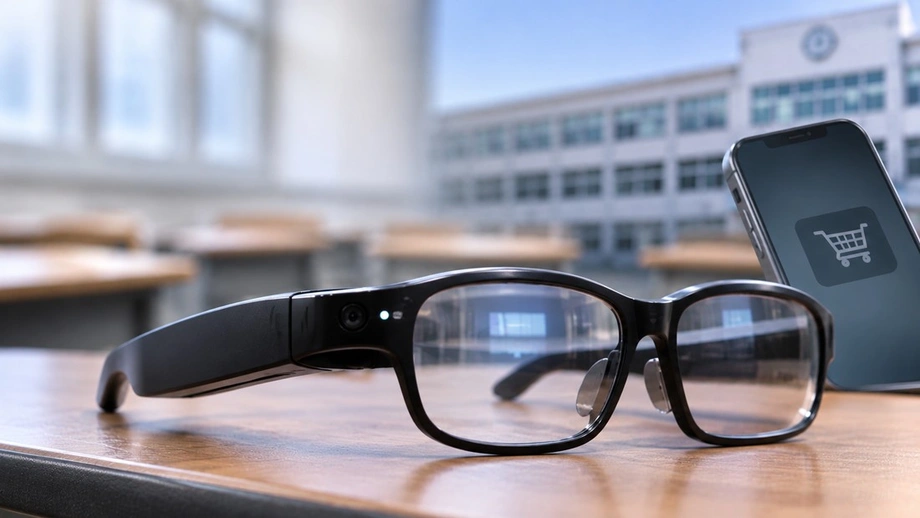
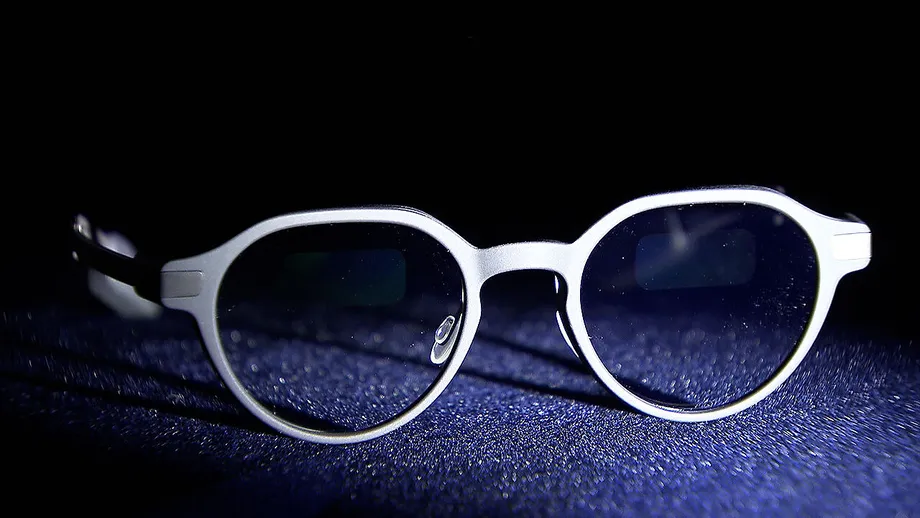
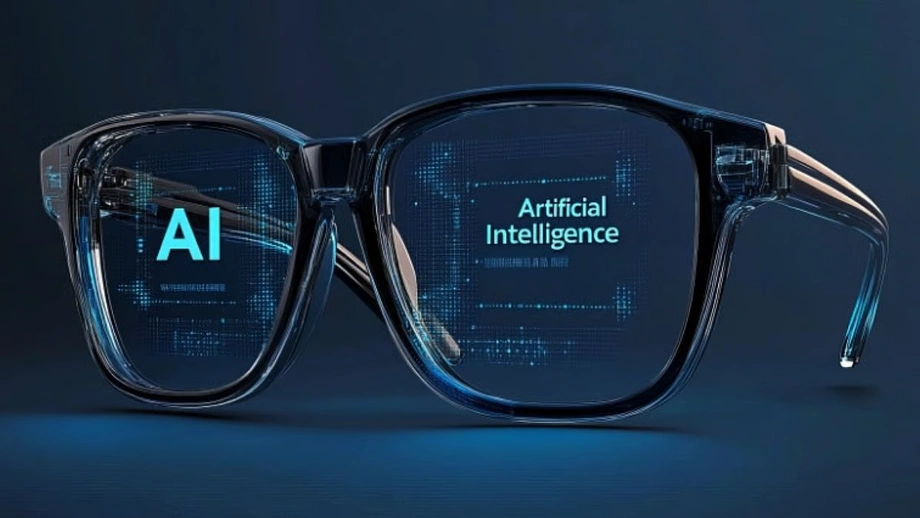
The scandal brought widespread attention to the rising sophistication of wearable technology that bypasses traditional proctoring rules. Generative artificial intelligence refers to computer software capable of producing human-like text, solving complex mathematical equations, and interpreting visual data from photographs within seconds. When paired with micro-cameras, earphones, or smart glasses, these systems allow test takers to capture exam booklets and receive real-time answers. Smart glasses combine cameras and microphones with generative artificial intelligence, relaying information through lenses or built-in speakers while closely resembling ordinary spectacles.
Testing administrators have struggled to detect these devices because modern models lack conspicuous wires or bulky frames. The Korea TOEIC Committee reported that two candidates were caught using AI glasses during English proficiency tests on May 10 and May 31, 2026, marking the first such confirmed cases involving eyewear in the country. Both individuals had their test results invalidated and received four-year bans. The Human Resources Development Service of Korea also reported that an inspector caught a candidate wearing smart glasses during a gas engineer certification exam, demonstrating that technological misconduct had spread across multiple professional testing boards.
Public suspicion intensified as internet users scrutinized other unusual academic achievements. Online forums became filled with unverified accusations against candidates who secured high scores or rapid professional qualifications. One individual, known publicly only as A, faced online backlash after earning the top score on the Medical and Dental Education Eligibility Test. Critics argued that a one-year preparation period was too short for such an outcome. A published a public rebuttal on November 20, 2026, explaining that the actual preparation spanned six years through an academic credit transfer program and intensive English language study, warning that baseless allegations were harming family members.
The Tragic Toll on Public Discourse
The anxiety surrounding examination integrity also touched other high-scoring individuals, most notably Lee Jin-woo. Lee earned a perfect score on the 2026 Legal Education Eligibility Test and authored a bestselling study guide titled Brain Accel. Online commentators began questioning his academic transformation from a high school dropout into a top university student, pointing to clean test booklets and alleged answer discrepancies as signs of possible misconduct. Lee had promised to dispel the rumors by live-streaming his solutions to the national college entrance exam questions on November 19, 2026. He failed to appear for the broadcast and was found dead at a motel near Cheonho Station in eastern Seoul at around 1 pm that same day. Police noted that he left a note expressing physical and mental exhaustion, though the circumstances did not establish whether cheating had occurred. The tragedy prompted expressions of concern from international media outlets, including the New York Times, AFP, Reuters, and Bloomberg, which highlighted the intense pressure placed on South Korean students by the country's rigorous educational culture.
Emergency Government Crackdown Before the Suneung
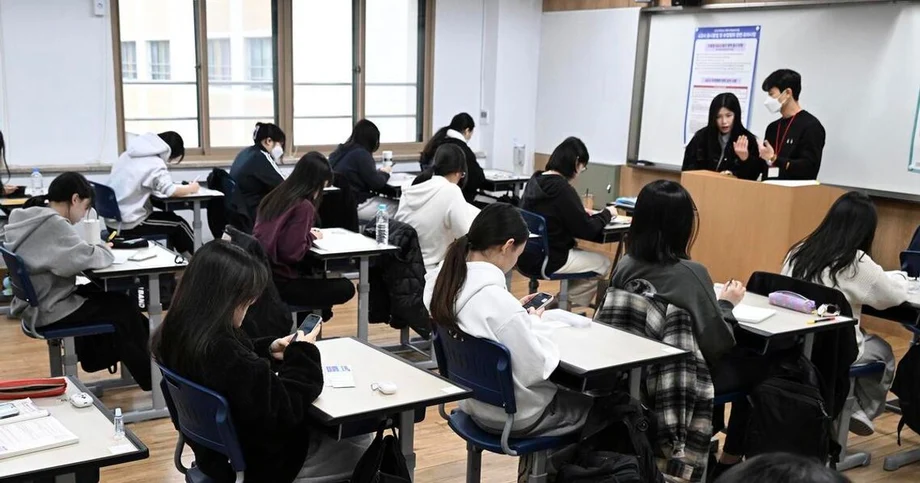
The timing of the confessions and controversies collided directly with the College Scholastic Ability Test, known as the Suneung, which took place on November 19, 2026. Roughly 550,000 students sat for the grueling eight-hour examination, which determines university placements and future career paths. Prime Minister Han Seok-sook convened an emergency government meeting on November 16, 2026, directing ministries to implement strict preventive protocols across all 1,312 testing sites. Education Minister Choi Kyo-jin informed parliament that proctors would conduct thorough inspections of every pair of spectacles entering test rooms to block concealed smart glasses.
Authorities deployed a series of extraordinary measures during the Suneung to prevent digital cheating. The government broadcasted three emergency disaster alert notifications to force students to surrender hidden mobile phones, blocked public wireless networks near testing venues, placed tamper-evident stickers over clothing buttons, and stationed specialist staff trained to recognize electronic gadgets. Despite these precautions, officials identified 111 cases of electronic device misconduct during the exam. Nearly half of those violations were detected through emergency text alerts, while others were caught via Wi-Fi signal detectors or direct observation. Five students caught actively using smart devices face a ten-year ban from taking the Suneung and police investigations for interference with official duties.
A Comprehensive Overhaul of State Examinations
President Lee Jae Myung called for a complete overhaul of the state examination system during a meeting with aides at Cheong Wa Dae on November 20, 2026. Describing artificial intelligence abuse as a serious crime that rocks the basic order of society by undermining fairness and trust, the president instructed officials to investigate past exams and punish offenders sternly. The government also activated a pan-governmental task force under the Ministry of Employment and Labor to review national qualification tests, considering proposals such as publishing the scores of top candidates for all 37 professional certifications and offering substantial rewards for reporting exam fraud.
Legislative proposals moved swiftly through the National Assembly to strengthen penalties for examination misconduct. Lawmakers introduced bills to extend the Suneung disqualification period from one year to ten years with retroactive application, and to establish a specific criminal offense for test interference carrying penalties of up to five years in prison or fines of 15 million won. Legal experts noted that existing laws penalizing business obstruction and interference with public duties lack explicit provisions for attempted cheating, creating challenges for prosecuting individuals who bring prohibited devices into testing rooms without successfully transmitting answers. The unfolding reforms reflect how technology has permanently altered the security landscape for credentialing systems worldwide.
At a Glance
- Han Won-seok confessed on November 15, 2026, to using a microcamera and generative artificial intelligence to cheat on the certified tax accountancy exam.
- Authorities invalidated Han's results, barred him from the exam for five years, and launched a criminal investigation into his testing methods.
- South Korea deployed emergency disaster alerts, Wi-Fi signal detectors, and mandatory eyewear inspections during the November 19, 2026 Suneung examination.
- A total of 111 test takers were caught with illegal electronic devices during the Suneung, with five facing a ten-year ban from future tests.
- President Lee Jae Myung called for a complete structural overhaul of all state examinations to combat artificial intelligence misconduct and restore public trust.