
Taiwan Issues Warning to Canada Over Economic Dependence
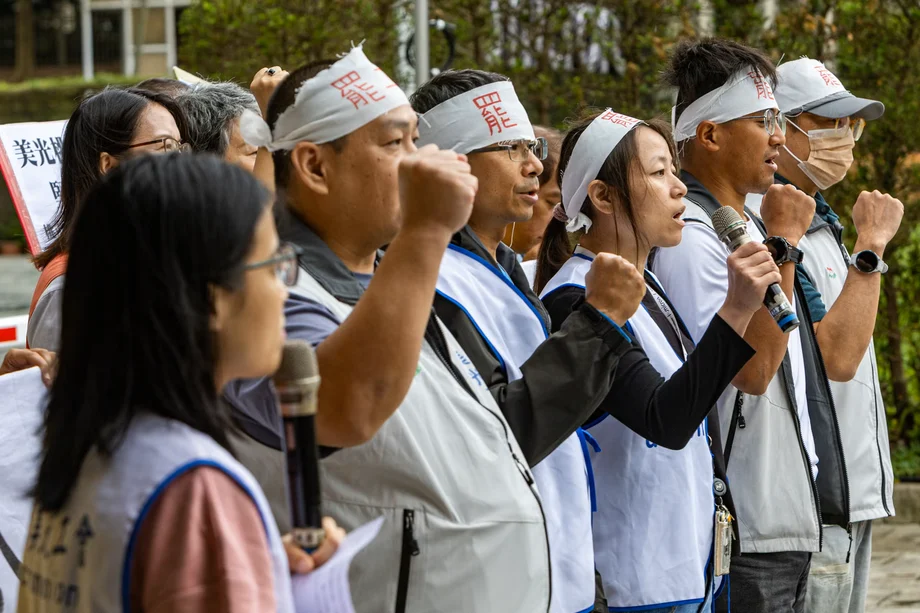
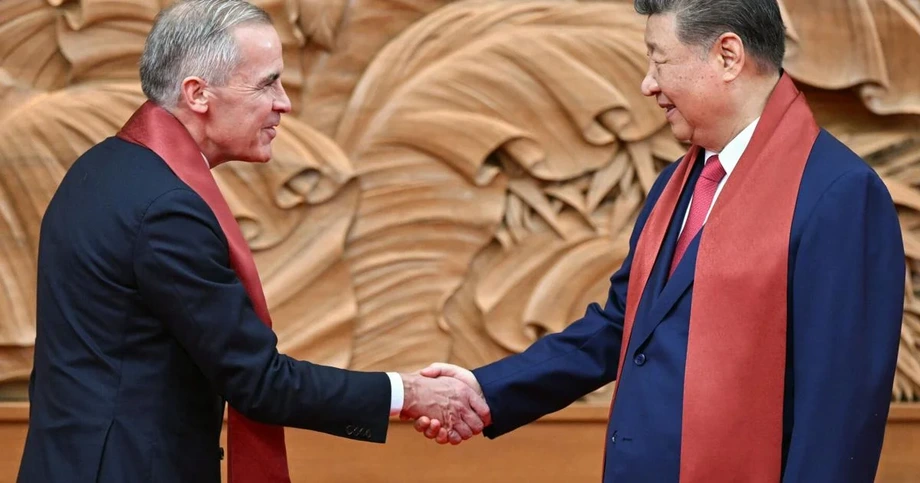
Taiwan's Deputy Foreign Minister Chen Ming-chi delivered a pointed warning in Halifax, Nova Scotia, stating that Canadian Prime Minister Mark Carney risks exposing his country to severe economic coercion by deepening trade relations with China. Speaking at the Halifax Security Forum, Chen drew from Taiwan's own turbulent history with Beijing to illustrate the hidden costs of economic over-reliance, arguing that governments ignore these dangers at their peril. The warning arrived shortly after Carney met with Chinese President Xi Jinping in Shenzhen on November 17, 2026, to negotiate a broad package of reciprocal tariff reductions and strategic partnerships. While the Canadian government views these overtures as a pragmatic way to diversify trade away from the United States during an ongoing trade war under U.S. President Donald Trump, Taipei maintains that commercial engagement with authoritarian regimes carries profound national security implications.
目录
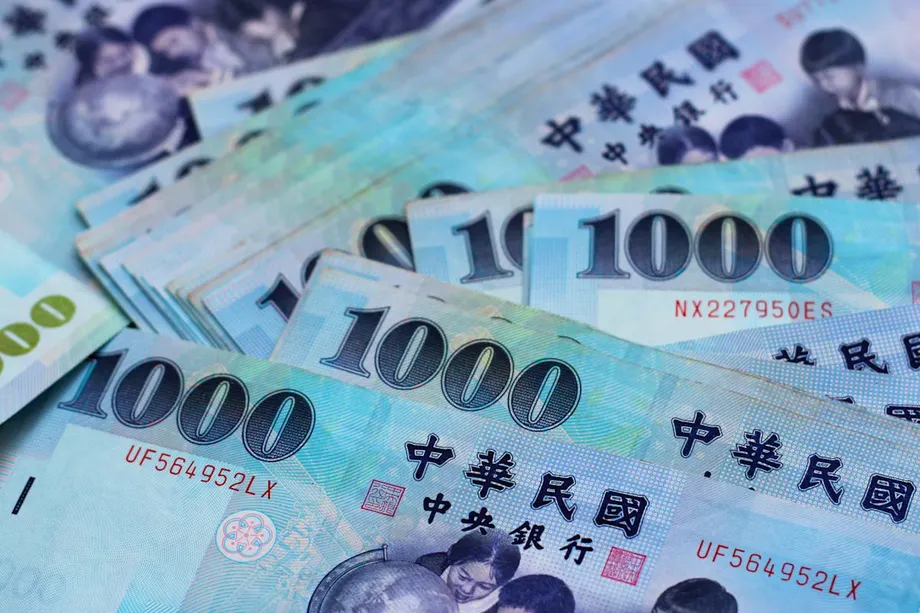
Taiwan's perspective is forged through decades of managing economic pressure from Beijing, which routinely uses trade restrictions to achieve political objectives. Chen noted that Taiwan successfully reduced its economic vulnerability by drastically cutting the share of outbound investment directed toward China from over 80 percent in 2010 down to 3.8 percent last year. Furthermore, Taiwanese government figures show that total exports bound for China and Hong Kong dropped from nearly 44 percent of overall outbound trade in 2020 to approximately 27 percent last year. These figures demonstrate a deliberate decoupling strategy designed to insulate domestic industries from sudden political embargoes, a lesson Chen suggested Canada should heed as Ottawa pursues closer commercial ties with the world's second largest economy.
Reflecting on Past Trauma and the Two Michaels
To underscore the unpredictable nature of Beijing's political calculus, Chen explicitly invoked the detention of former Canadian diplomat Michael Kovrig and businessman Michael Spavor. The two Canadian citizens were arrested in late 2018 shortly after Canadian authorities detained Huawei executive Meng Wanzhou on a U.S. extradition request, remaining imprisoned for nearly three years in a case widely condemned internationally as an exercise in hostage diplomacy. Although Beijing consistently denied any political motivation behind the arrests, their release in September 2021 coincided precisely with the resolution of Meng's legal proceedings and her return to China. Chen reminded his audience of this painful chapter during his interview with The Associated Press, asking Canadian leaders to remember their own history when choosing international partners and questioning whether a liberal democracy should deepen ties with nations that reject shared democratic values.
The diplomatic friction surrounding Carney's outreach also echoes a pattern of tense bilateral episodes that characterized the previous decade of Canadian-Chinese relations. Following the 2018 arrests, formal diplomatic channels entered a deep freeze that lasted for roughly seven years, during which trade disputes multiplied and public criticism intensified regarding human rights abuses in Xinjiang and the erosion of civil liberties in Hong Kong. By re-engaging Beijing, the Carney administration is attempting to turn the page on this prolonged standoff, securing new market access for Canadian agricultural producers and seafood harvesters. However, critics in Ottawa and abroad argue that welcoming renewed economic interdependence without robust safeguards invites renewed vulnerability, effectively trading long-term strategic autonomy for short-term export gains.
Tariff Reductions and the Reciprocal Exchange
The newly minted economic arrangements between Ottawa and Beijing involve specific concessions designed to benefit key Canadian primary industries while opening domestic markets to select Chinese manufactured goods. Under the framework agreed upon during the Asia-Pacific Economic Cooperation summit, China will grant tax relief starting in 2027 for approximately C$400 million worth of Canadian agricultural and seafood exports, including frozen pork cuts, cold-water shrimp, geoduck, sea cucumber, and Greenland halibut. These provisions build upon an earlier trade arrangement from January 2026 that paused punitive tariffs on Canadian canola meal, peas, lobster, and crab, allowing bilateral agricultural trade to surge by 40 percent in the first nine months of the year. Canadian officials reported that these cumulative actions have successfully restored market access for more than 90 percent of previously restricted trade items, representing a total export value of nearly C$7.5 billion.
In exchange for these agricultural openings, Canada agreed to extend existing tariff exemptions for specific Chinese steel and aluminium products by two years through the end of 2028, while expanding the remission coverage to include 32 additional product categories. Ottawa defended the inclusion of these metals by asserting that the exempted materials are currently in short supply or entirely unavailable from domestic manufacturers. The transactional nature of these agreements highlights how middle powers attempt to navigate fractured global trade routes, trading targeted market access in specific commodities to offset export losses elsewhere. Yet the inclusion of industrial metals and potential future manufacturing concessions has sparked immediate anxiety among domestic producers and regional political leaders who fear long-term price distortion and unfair competition.
Automotive Dilemmas and Tensions with Washington
Automobile manufacturing sits at the center of the mounting friction between Canadian trade ambitions and North American security requirements, particularly as Washington pursues an aggressive protectionist agenda. Prime Minister Carney stated that Canada could potentially look to Chinese automakers if negotiations with the United States fail to preserve an integrated North American auto industry, responding to threats from President Trump to levy a debilitating 50 percent tariff on Canadian vehicles and auto parts starting January 1. Earlier concessions permitted up to 49,000 Chinese electric vehicles to enter the Canadian market annually at a preferential tariff rate of 6.1 percent, down from the previous 100 percent levy. This policy shift triggered swift condemnation from American officials, including White House trade adviser Peter Navarro, who published a sharp public warning on social media accusing China of swallowing Canada whole and asserting that closer ties would jeopardize future trade talks.
The integration of the Canadian and American automotive supply chains makes any opening to Chinese EV manufacturers a high-stakes gamble for Ottawa. Ontario Premier Doug Ford strongly criticized the federal strategy in a letter to the prime minister, warning that importing state-subsidized Chinese vehicles threatens thousands of local jobs and undermines the province's manufacturing base. Furthermore, security analysts have raised urgent concerns regarding the connected technology embedded in modern electric vehicles, noting that advanced sensors, cameras, and software systems can collect extensive geographic and behavioral data. Allowing foreign-built connected vehicles without stringent regulatory oversight creates potential vulnerabilities regarding data privacy and remote surveillance, complicating efforts to balance economic opportunism with national security safeguards.
The Broader Strategy of Value-Based Realism
Prime Minister Carney articulated his overarching foreign policy philosophy during a major address at the World Economic Forum, embracing what Finnish President Alexander Stubb termed value-based realism. A tariff is a tax imposed by a government on imported goods, making foreign products more expensive to protect domestic industries, whereas a trade agreement establishes reciprocal rules and reduces those duties to facilitate cross-border commerce. Carney argued that middle powers can no longer rely on a fading rules-based international order where great powers routinely exempt themselves from multilateral obligations when convenient. Instead, Ottawa is pursuing a diversified diplomatic strategy, simultaneously negotiating comprehensive partnerships with the European Union, the Association of Southeast Asian Nations, and individual states across multiple continents to build a resilient web of international connections.
This multi-pronged diversification effort includes concluding free trade negotiations with the Philippines and the wider ASEAN bloc, alongside pursuing associate membership status with the European Union to foster cooperation in advanced technology, artificial intelligence, and critical minerals. By establishing a dense network of alternative trade partners, Canada aims to reduce its traditional economic reliance on the United States, which absorbed the vast majority of its exports in previous years. However, critics maintain that cultivating deep commercial ties with Beijing while simultaneously pursuing democratic alliances creates an irreconcilable contradiction, exposing Canadian foreign policy to charges of inconsistency when addressing global human rights and authoritarian overreach.
At a Glance
- Canadian Prime Minister Mark Carney met with Chinese President Xi Jinping in Shenzhen on November 17, 2026, to expand bilateral trade and tariff reductions.
- China agreed to provide tax relief on roughly C$400 million in Canadian pork and seafood exports starting in 2027, while extending relief for canola meal and seafood through 2028.
- Ottawa extended exemptions for select Chinese steel and aluminium products through 2028 and added 32 new product categories to the remission list.
- Taiwan's Deputy Foreign Minister Chen Ming-chi warned that deepening economic ties with Beijing exposes Canada to severe risks of political coercion and surveillance.
- White House trade adviser Peter Navarro publicly criticized Canada's outreach to Chinese automakers, warning that it threatens North American trade harmony.
- Ottawa maintained that its China trade focuses primarily on basic commodities rather than sensitive technologies like advanced semiconductors.